Flevoo · AI
Exploring a concept with AI
An exploration taken all the way to a real product
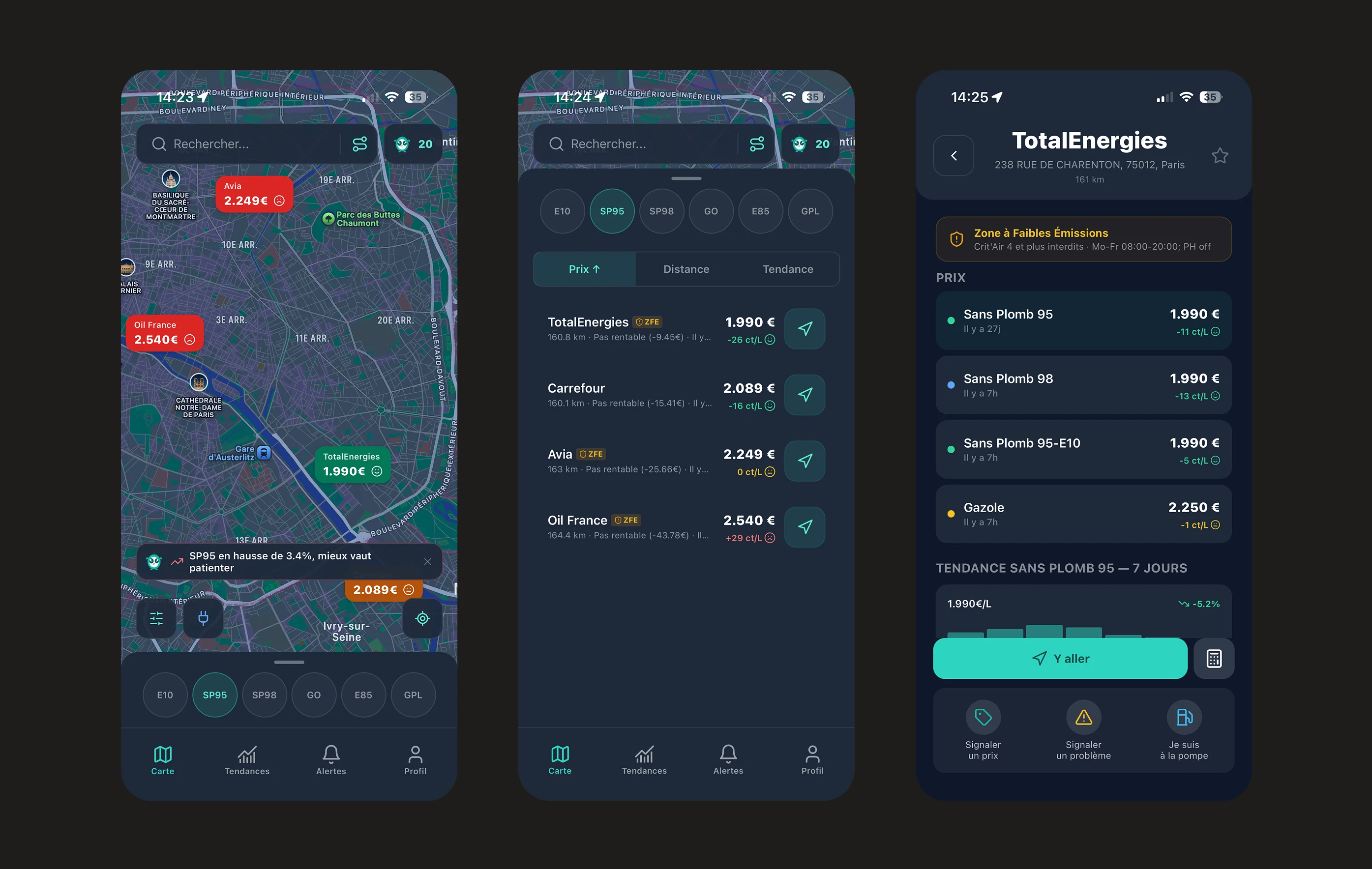
Flevoo is a personal exploration I wanted to take as close as possible to a real project, to test AI-assisted design across the whole chain, from framing the idea to the infrastructure. The starting point is a fuel price comparison app, a deliberately simple ground. The interest lay elsewhere, in a strategic hypothesis I wanted to explore: could an entirely free consumer app, in theory, feed a B2B data model? It wasn't about commercializing it, but about pushing a concept as far as possible to understand where it would hold and where it would give way.
The price is public, the behavior isn't
Fuel price data is public. The government API makes it available to everyone, and anyone can aggregate it to produce maps or metrics. That's exactly what strips it of market value, because what everyone has can't be sold. The real value lies in what this public data doesn't say. The displayed price reveals neither which stations are actually visited, nor when drivers fill up, nor whether a price change really shifts their behavior, nor how much of their budget goes to fuel. Only usage produces these signals, and no public API contains them.
That's where Flevoo's hypothesis lay. Crossing public price data with behavioral data from usage would make it possible to produce metrics by area and by period, the kind of information an insurer, a retail chain or a station network could exploit. The model wouldn't draw its value from the data itself, but from crossing two sources, only one of which is exclusive. It was this articulation that the exploration set out to test.
Showing the user what we know about them
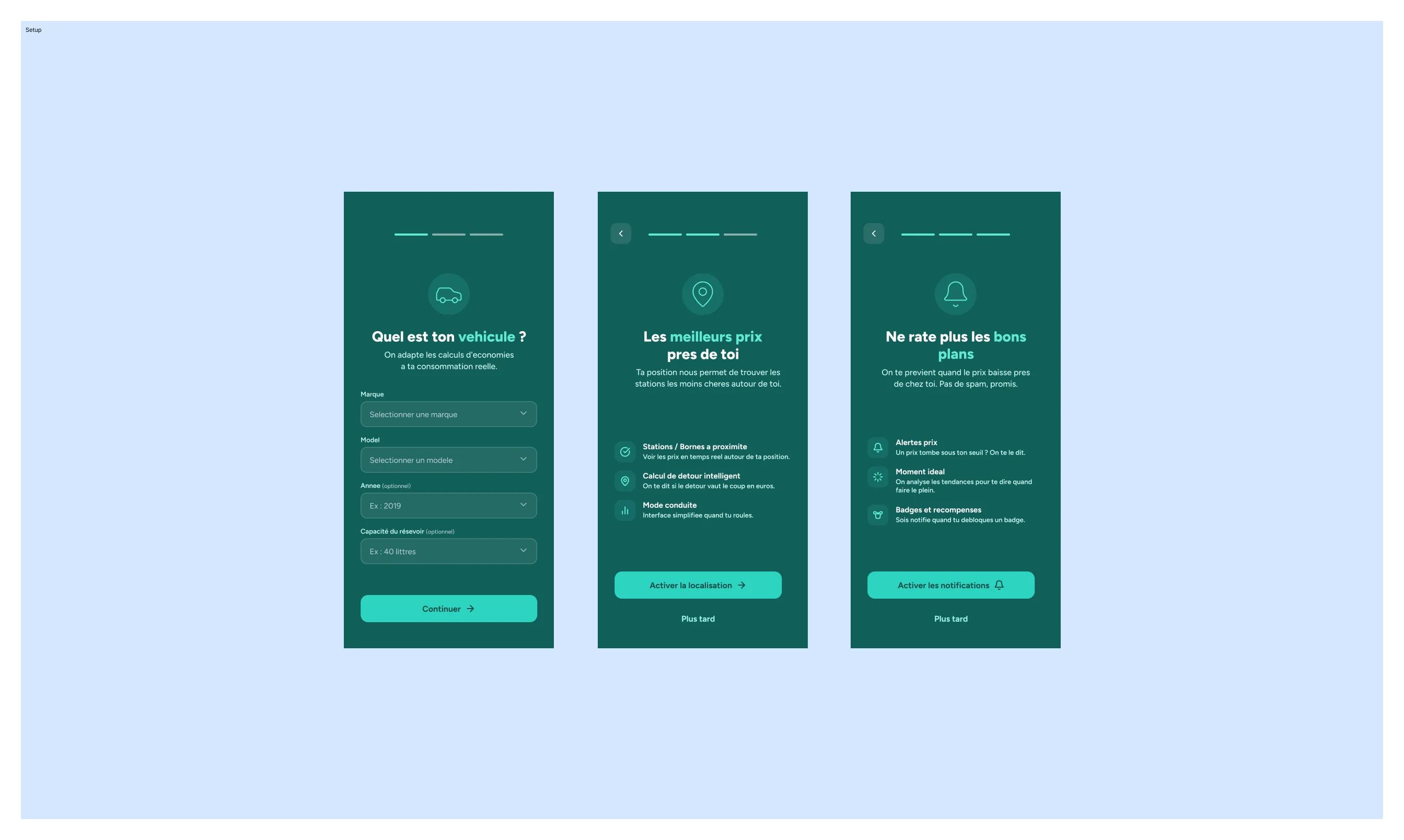
A model built on behavioral data raises a question of trust from the outset. Designing this product meant deciding as much what you collect as what you refuse to collect. The stance was transparency by default. From their settings, the user sees exactly what Flevoo knows about them, with no personal information, only their vehicle's characteristics and, if they explicitly accept, their location. Nothing is captured without them being able to see it, and geolocation stays a choice, never a prerequisite.
This isn't a compliance detail bolted on afterward. For a product whose value rests on data, knowing how to draw the line of what you don't take is a design decision in its own right, the one that separates a trusted service from mere harvesting.
Building alone what normally takes a team
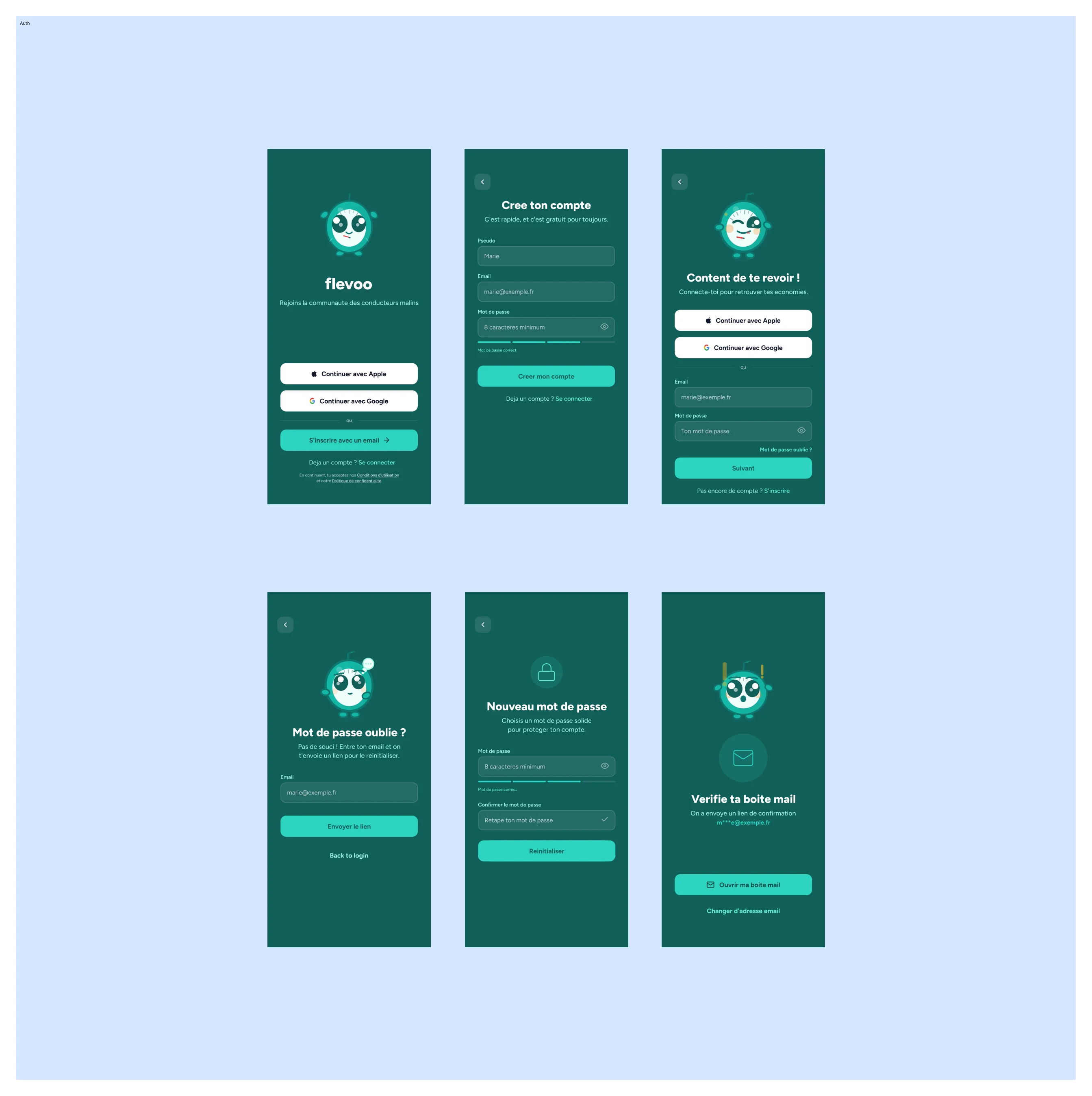
That was the real object of the exploration, seeing how far a designer can carry a complete product when AI becomes a partner at every step, not an occasional tool. Screen design relied on the Figma MCP, which generated the mockups from my specifications. I would then go back over them to slice them up and create the components, the work of structuring a design system. The exploration ran on a React Native, NativeWind and Supabase stack, not to take on a developer's role, but to engage with the technical side and understand its constraints end to end.
The most revealing moment was technical, outside my usual ground. Choosing a VPS, installing a self-hosted database, setting up the crons, deploying a testable app on my own phone, all steps that normally fall to a developer or ops profile. The point wasn't for AI to write the code in my place, but to let me make decisions in unfamiliar territory, to understand what I was setting up rather than applying it blindly. To hold consistency across the whole project, I formalized this collaboration through rules and skills, so the AI stayed aligned with my choices from end to end, instead of going off in all directions at every step.
The exploration stopped at the edge of the consumer product. The B2B side, for its part, stayed at the design stage. Building it would mainly have duplicated a skill I already master, creating a web SaaS with AI, for too little benefit given the effort and the cost of a second infrastructure. Stopping there was a scoping decision, not an abandonment.

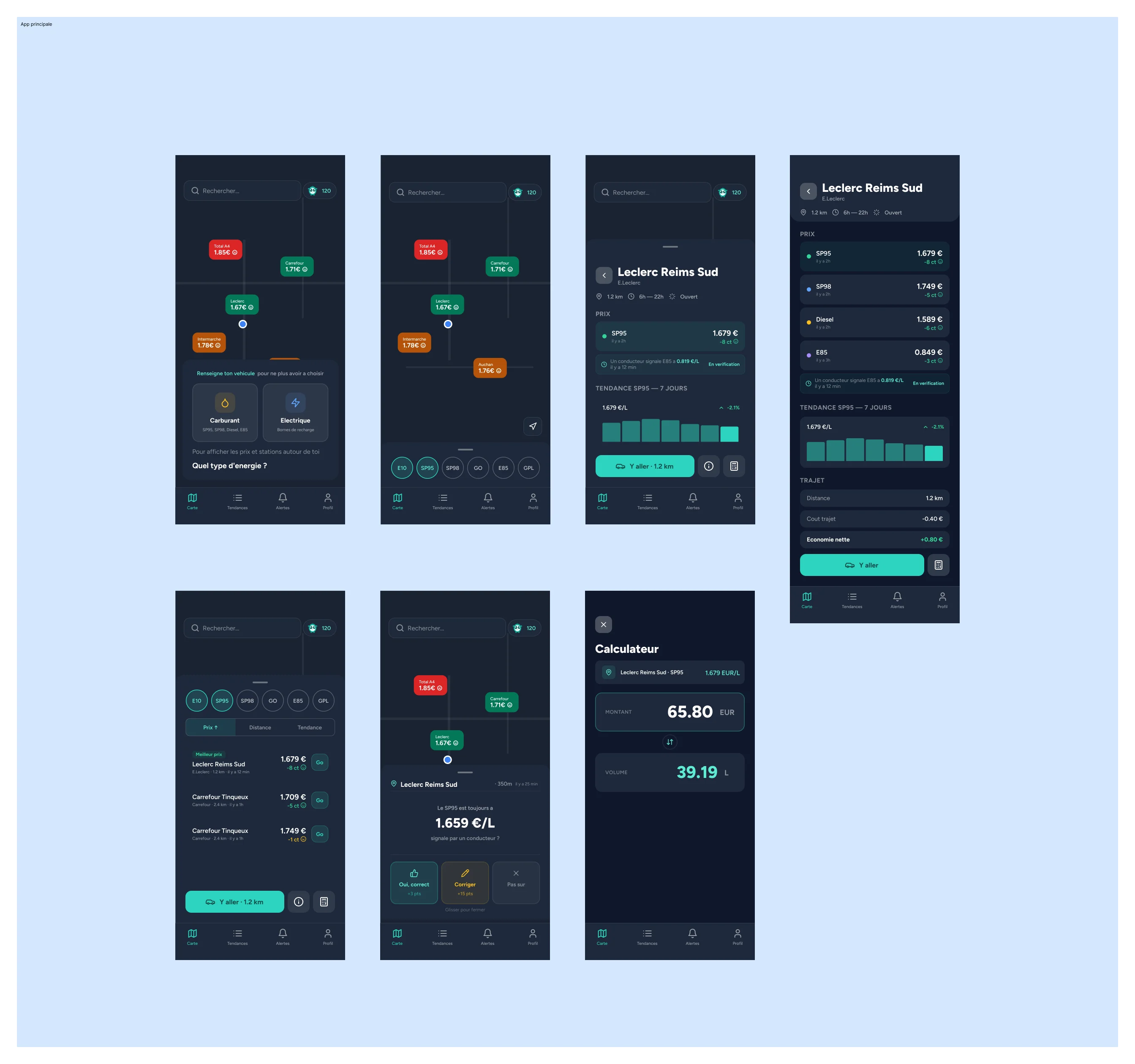
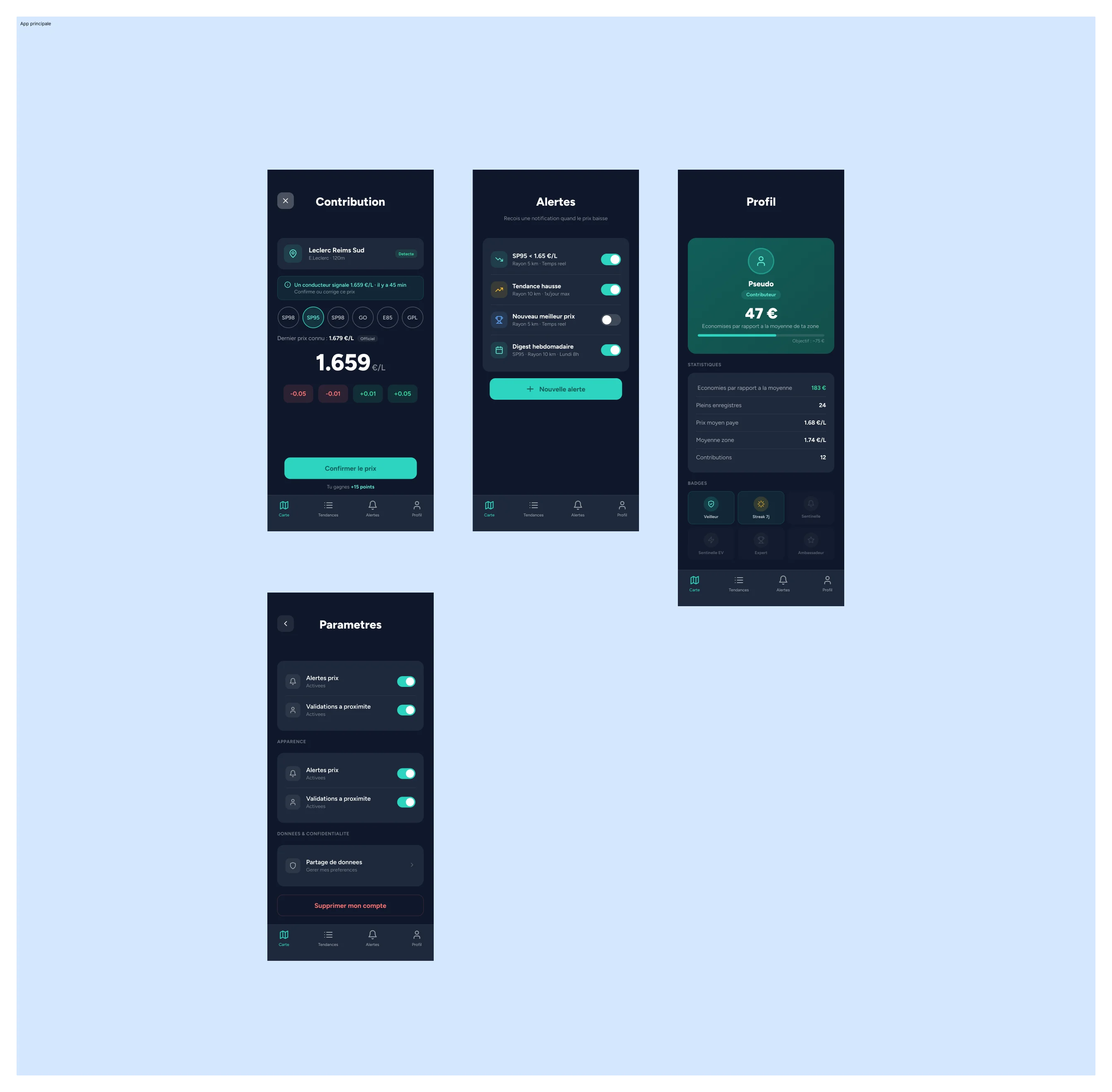
A market won by data, not by the product
Then comes the clearest lesson of the exploration, the one that touches the model's viability. Behavioral data is only worth something at scale. The habits of a few hundred users interest no one, you need a mass of them for the metrics by area to be reliable. Going fully free was the logical answer to reach it, making the number of users the engine of the model rather than a direct source of revenue. But free isn't enough, because any newcomer can offer it, and an already established player offers it too, with a head start.
The value of this kind of data grows with time and volume. The first to arrive accumulates a history the others don't catch up on, and that gap reinforces itself. Market analysis confirmed it, the position is already held by an established player whose barrier isn't product quality but the seniority of its data. That's the conclusion I take away from Flevoo. In this market, the decisive advantage isn't designed, it accumulates.
Leboncoin
Designing trust on a marketplace